2026: The Year the World Reopens Its Museums
New Institutions, Radical Expansions, and the Exhibitions That Will Define a Cultural Era
By 2026, the global museum landscape will no longer be merely recovering, it will be redefining itself. After a decade marked by pandemic disruption, geopolitical fracture, digital acceleration, and a renewed debate over memory and identity, museums are emerging not just as custodians of the past, but as active cultural protagonists.
Some of the most ambitious museums ever conceived are opening their doors. Others are unveiling exhibitions years in the making—projects that respond to urgent questions of restitution, migration, technology, ecology, and the future of art itself.
For ANNO Media, 2026 is not simply another cultural calendar year. It is a thresholdyear.
I. The Most Anticipated New Museums Opening Around 2026
Grand Egyptian Museum
A Civilizational Statement
-
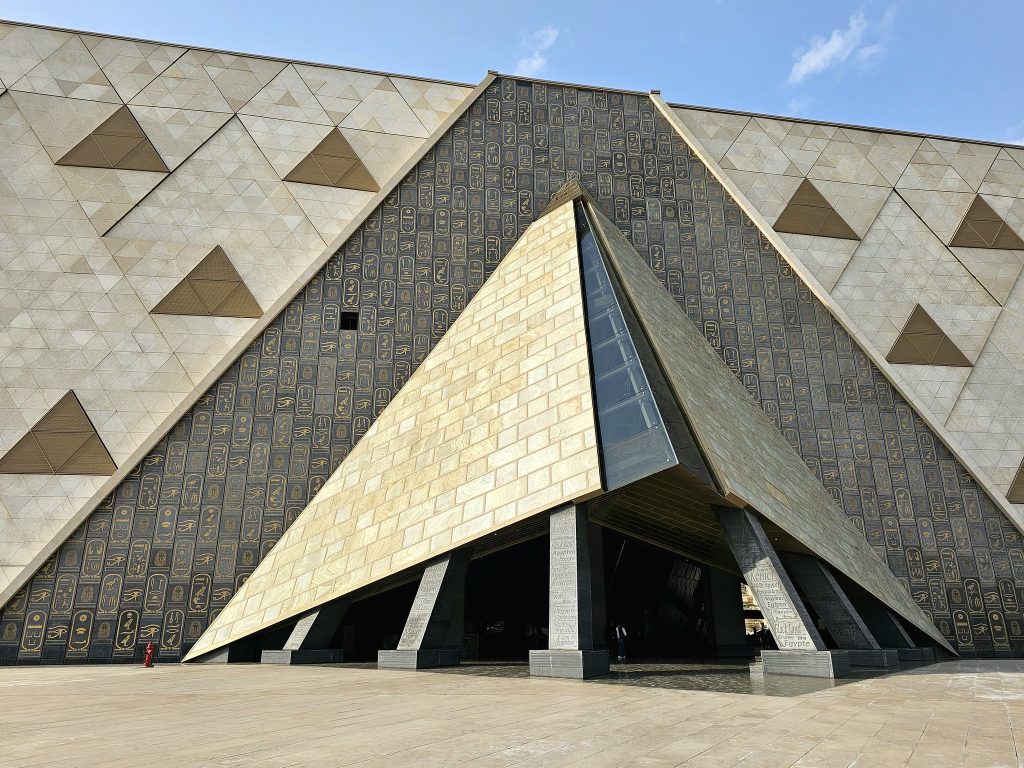
- Grand Egyptian Museum, Cairo by Richard Mortel, CC BY 2.0
-
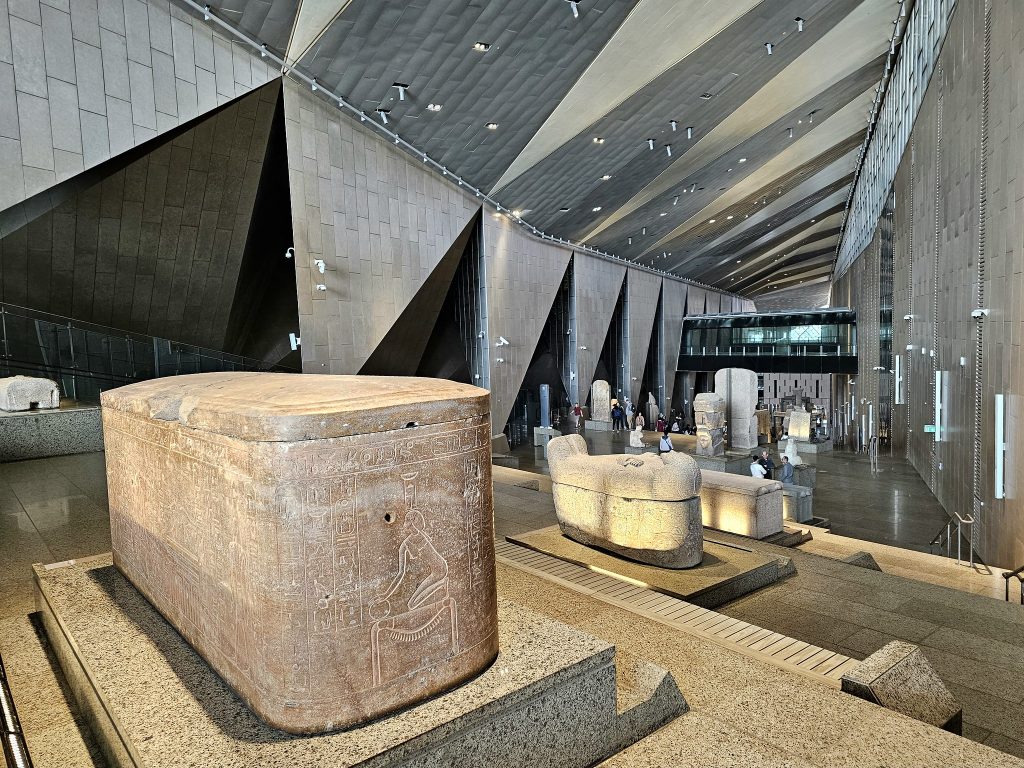
- Sarcophagi, Grand Staircase, Grand Egyptian Museum, Cairo by Richard Mortel, CC BY 2.0
After years of anticipation, delays, and phased openings, 2026 is expected to mark the first fully operational year of the Grand Egyptian Museum (GEM). Located near the Giza Plateau, it is the largest archaeological museum in the world devoted to a single civilization.
Why it matters in 2026:
This is not simply a museum opening – it is a geopolitical cultural event.
Guggenheim Abu Dhabi
The Last Guggenheim and and the Most Controversial
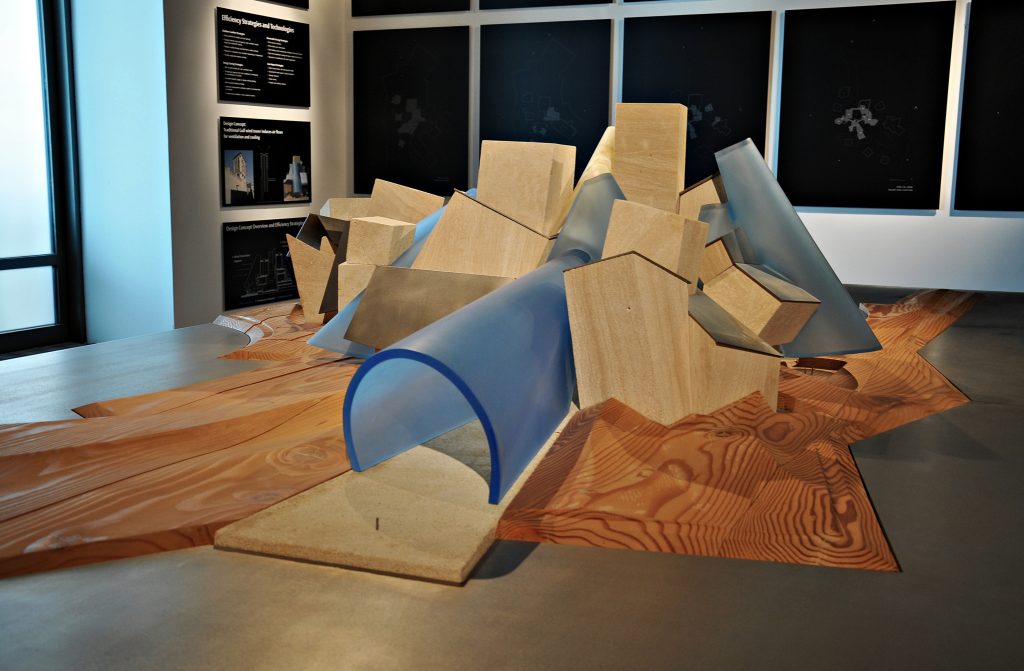
Guggenheim Abu Dhabi model design by Alberto-g-rovi – Own work, CC BY-SA 3.0
Designed by Frank Gehry, Guggenheim Abu Dhabi is expected to reach full public operation by 2026, completing the Saadiyat Island constellation.
What sets it apart:
The opening exhibitions are expected to interrogate the very idea of “modernism” as a global, multi-centered phenomenon.
Zayed National Museum
Memory, Nationhood, and Architecture as Symbol
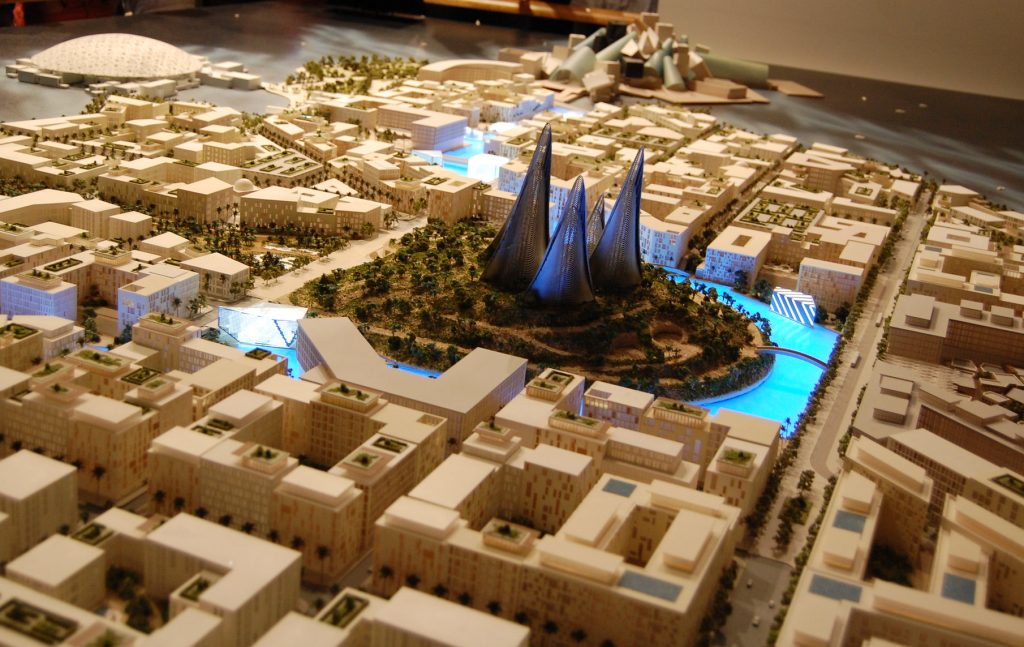
Zayed National Museum by Luca Mauri, CC BY-NC-ND 2.0
Designed by Foster + Partners, the Zayed National Museum is not an art museum, but its cultural importance is immense. Dedicated to the UAE’s founding father, Sheikh Zayed bin Sultan Al Nahyan, it explores identity, ecology, and nation-building.
2026 is expected to be its first year of full international programming.
V&A East
A Museum for the Post-Museum Age
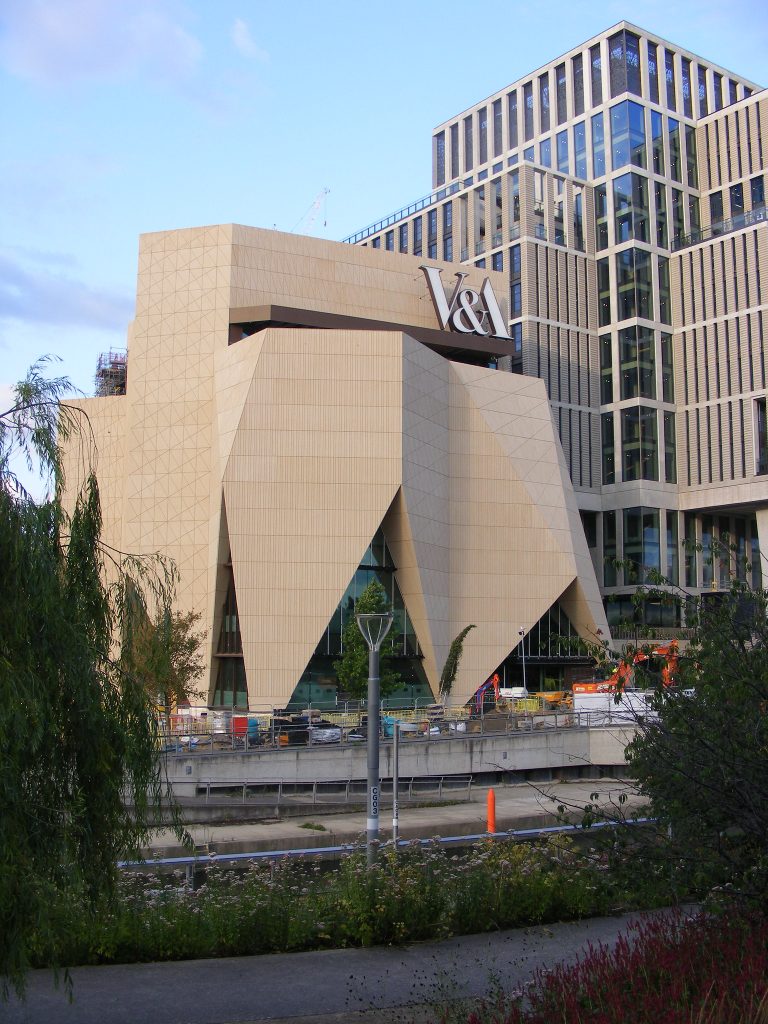
V&A East Museum by Sludge G, CC BY-SA 2.0
Opening in phases, V&A East reaches critical mass in 2026 with:
This is one of the most important European museum experiments of the decade—challenging how collections are accessed, not merely displayed.
II. Key Global Exhibitions Defining 2026
Venice Biennale – 61st International Art Exhibition
Venice, 2026
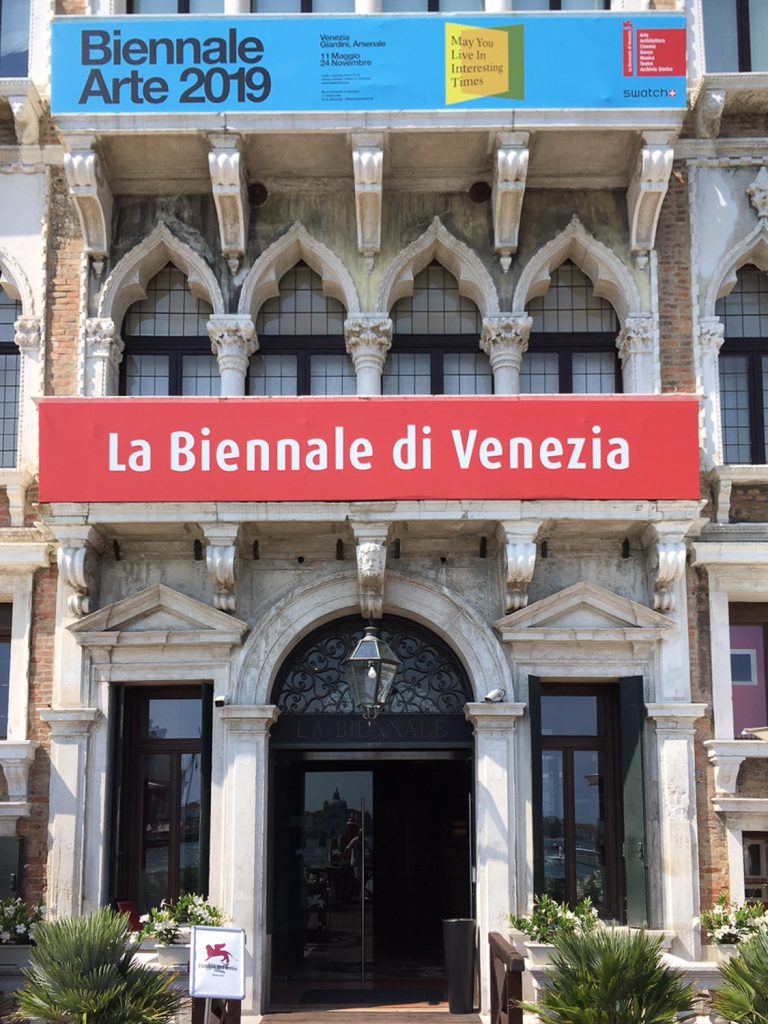
Venice Biennale 2019 by Naturpuur – Own work, CC BY 4.0
The Venice Biennale remains the world’s most influential contemporary art platform. The 2026 edition is widely expected to focus on:
National pavilions in 2026 will likely reflect not pride, but fragility and redefinition.
Centre Pompidou
Paris in Transition
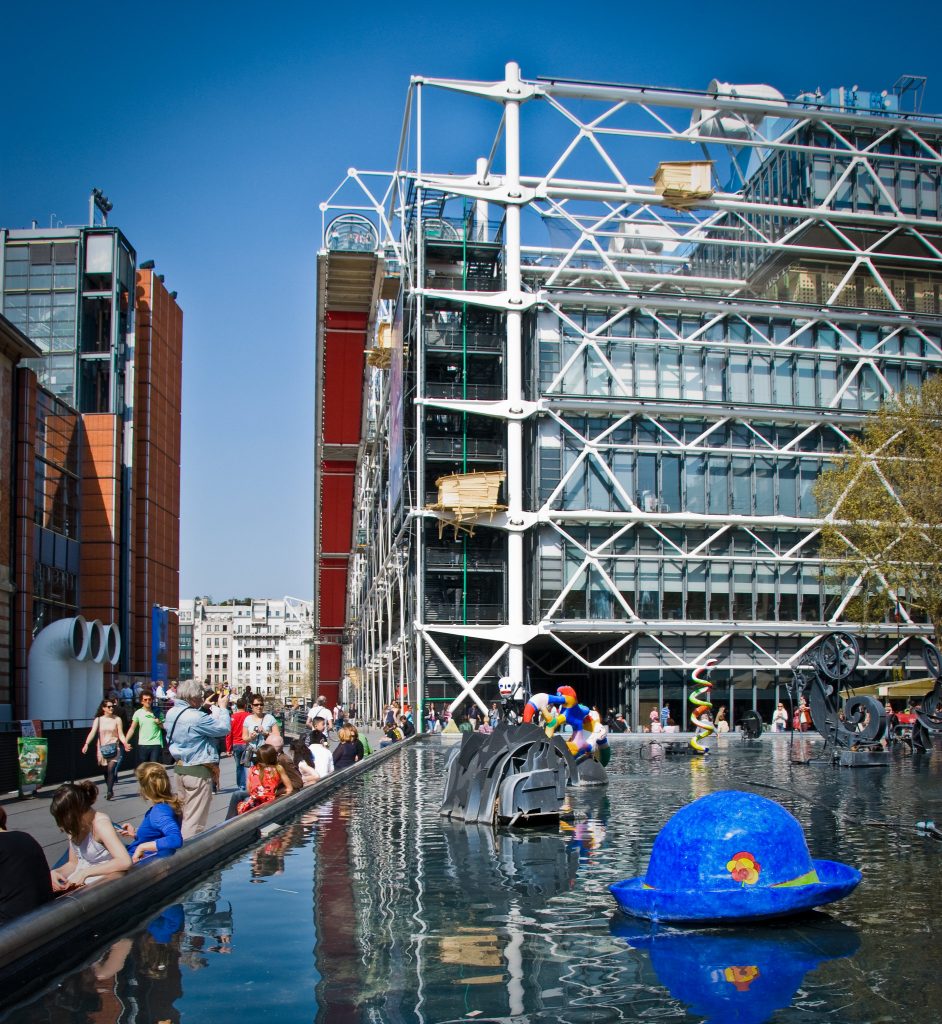
Pompidou Centre, Paris by Gary Campbell-Hall, CC BY 2.0
Ahead of its long-term renovation, Pompidou is planning major farewell-era exhibitions, expected to culminate around 2026:
2026 will likely be remembered as the last “classic Pompidou year”.
Tate Modern
Global Modernisms Rewritten
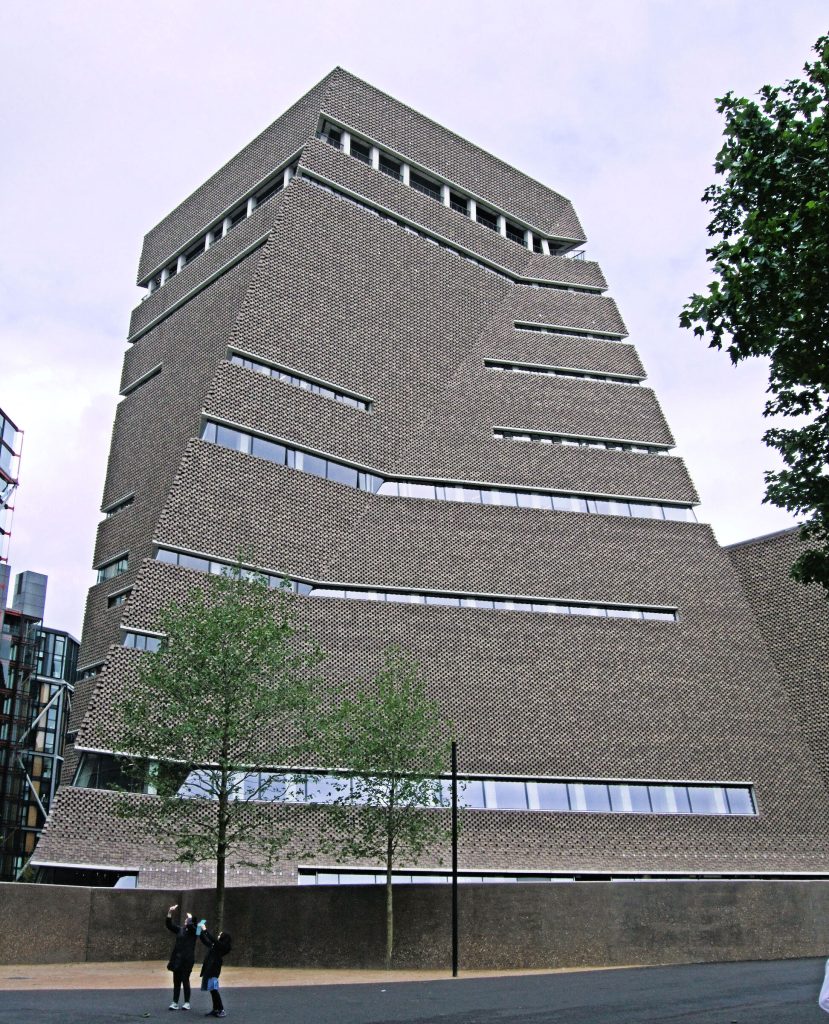
The New Tate Modern Extension By Jim Linwood from London., CC BY 2.0
Tate Modern’s long-term curatorial strategy culminates in 2026 with exhibitions that:
Expect at least one exhibition to become a new academic reference point.
MoMA
Art in the Age of Algorithms
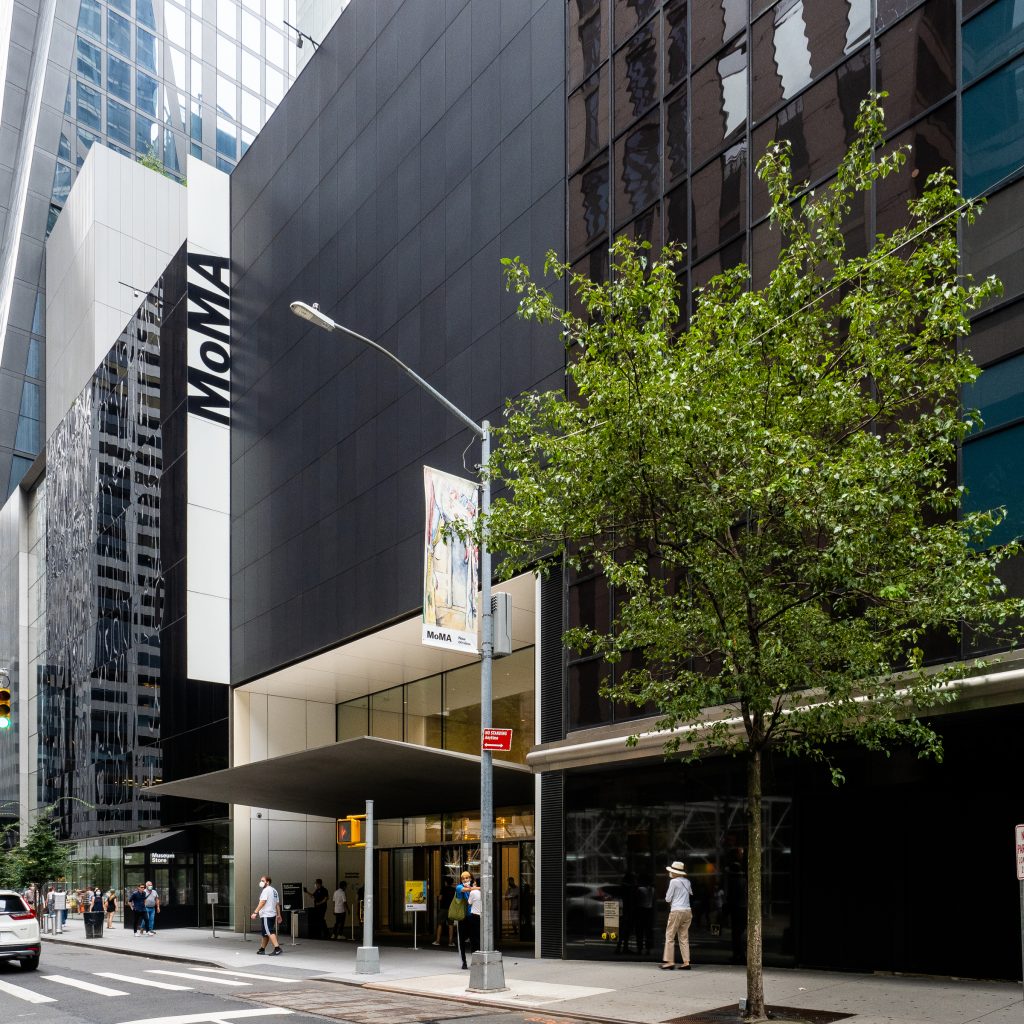
Museum of Modern Art (MoMA) By ajay_suresh, CC BY 2.0
By 2026, MoMA is expected to fully integrate:
One flagship exhibition is anticipated to address authorship, originality, and machine creativity.
Smithsonian Institution
Memory, Justice, and Re-Narration
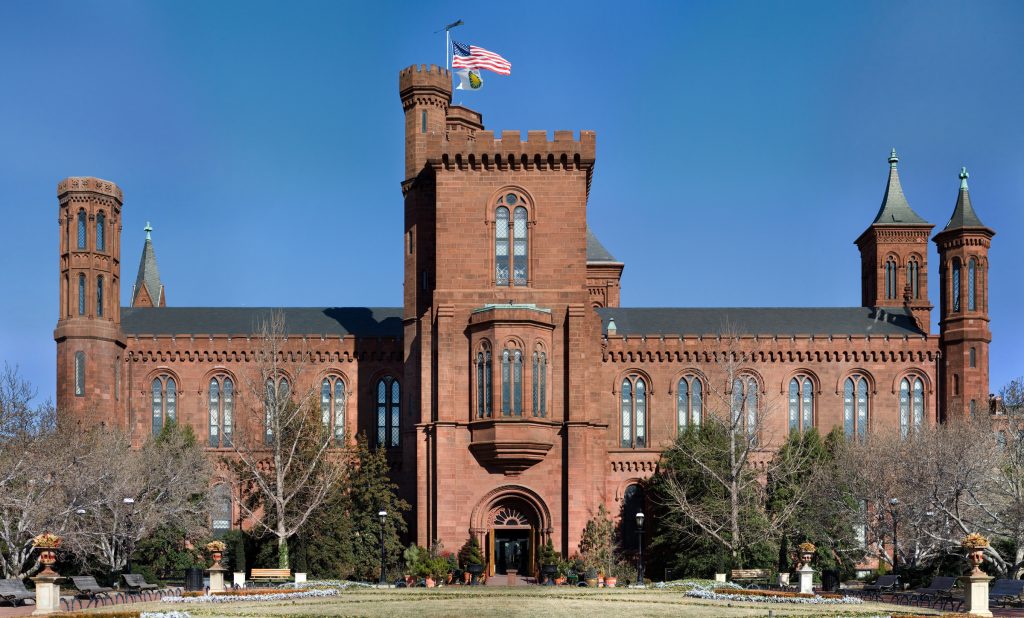
“The Castle” on the National Mall: the institution’s earliest building remains its headquarters – Public domain
In 2026, several Smithsonian museums are preparing major anniversary-linked and thematic exhibitions focused on:
These are not neutral exhibitions – they are acts of public reckoning.
III. 2026 as a Cultural Turning Point
What unites the museums and exhibitions of 2026 is not style, geography, or even ideology, but intent.
Museums are no longer asking:
“How do we preserve the past?”
They are asking:
“What kind of future are we legitimizing?”
Key Cultural Shifts Visible in 2026
IV. ANNO Media Perspective
For collectors, curators, cultural diplomats, and travelers, 2026 is a year to move slowly and choose carefully. These are not exhibitions to “consume,” but to enter into.
Some museums opening in 2026 will define maybe the next 20-30 years.
Some exhibitions will quietly reshape how history is written.
And some cities like Abu Dhabi, London, Paris, Venice, Cairo will once again become global cultural capitals.
ANNO Media will be there, not just reporting openings, but tracing the deeper narratives behind them.
Related Posts