Cultural Capital of December: Prague
Few cities in Europe possess such a harmonious fusion of history, art, myth, literature, and music as Prague. And if there is one moment when the city reaches its emotional and aesthetic peak, it is December. Winter gives Prague a cinematic aura: domes and spires rise from the mist, the Vltava flows like an ancient poem, and the stones of the Old Town sparkle under candlelit windows and the warm glow of Advent lamps.
December is also culturally alive — less touristy than summer, more contemplative, more authentic. It feels like Prague is whispering its stories just for you.
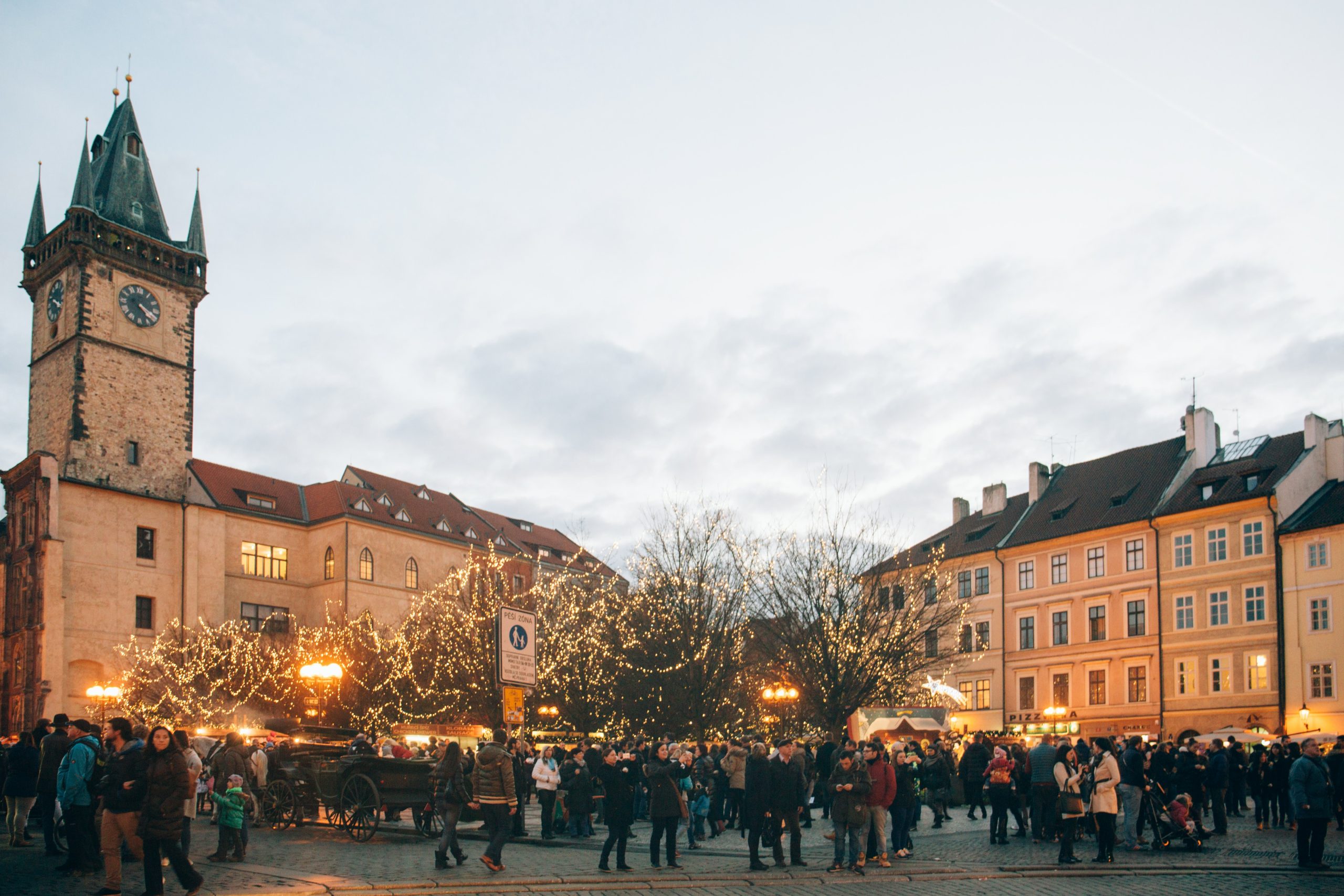
Photo by Alisa Anton
The City of a Hundred Stories (and a Hundred Spires)
Prague’s nickname — the City of a Hundred Spires — understates its reality. The city is a vertical manuscript of European history:
December transforms these layers into a stage set. Snow softens the Gothic severity of Týn Church, the astronomical clock seems almost suspended in time, and the Old Town becomes a glowing labyrinth of legends.
Here, architecture is not merely stone — it is music visualised. Just listen to the way rooftops and domes answer each other across the river, like notes in Smetana’s Mávlast.
Music as Prague’s True Soul
December in Prague is an invitation to listen.
This is the city where Mozart found more love than in Vienna. His Don Giovannipremiered at the Estates Theatre in 1787, and the theatre still stages it in its original atmosphere, shimmering with candles and gilded balconies.
Other musical highlights of December:
Music doesn’t accompany Prague — it defines it.
Prague Through Its Writers: Kafka, Čapek, Kundera
No December story of Prague is complete without its writers.
Franz Kafka remains the city’s eternal ghost. The winter streets — narrow, echoing, slightly surreal — feel like the physical architecture of his novels. A small walk through Josefov, the former Jewish Quarter, reveals his world: dim courtyards, arcades, shadows cast on pastel facades, the weight of history meeting the fragility of memory.
Nearby, the legacy of Karel Čapek, who gave the world the word “robot,” reminds us that Prague has always been a city ahead of its time — blending humanism, science, and imagination.
And of course, Milan Kundera, whose lyrical existentialism still drifts like a whisper along Nerudova Street.
Prague is a literary capital in winter hibernation — alive, but quieter, more introspective.
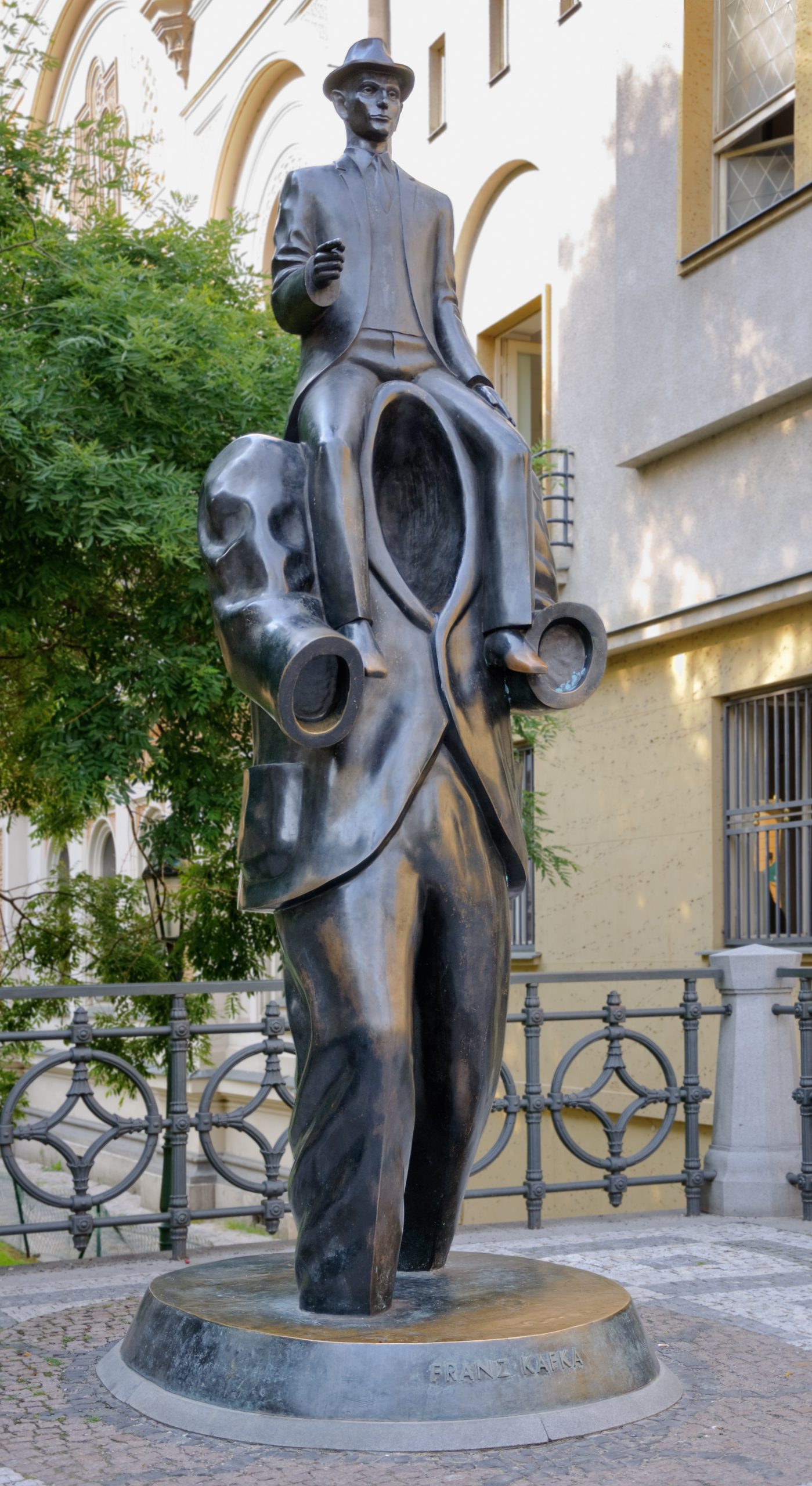
Franz Kafka monument, next to the Spanish synagogue – By Myrabella
The Magic of the Vltava
Walk across the Charles Bridge at dawn, when the statues are wrapped in morning frost and the river exhales mist. December gives the bridge a soft melancholy: musicians playing violin or saxophone, painters setting up easels, swans drifting like white brushstrokes.
On the other bank lies Malá Strana, Prague’s baroque heart — a district of palaces, gardens, secret courtyards, and embassies. It feels almost Venetian in its intimacy, almost Parisian in its elegance, yet unmistakably Bohemian.
The Vltava is more than a river. It is the city’s emotional bloodstream, flowing through centuries of art, music, and revolutions.
Art for All Seasons: Museums, Galleries, Avant-Garde
Winter is the best time to explore Prague’s extraordinary museums:
National Gallery (Veletržní palác)
Museum of Decorative Arts (UPM)
A paradise for lovers of:
glass, textiles, photography, Cubist design, Czech crystal.
House of the Black Madonna
Dedicated to Czech Cubism, a movement found almost nowhere else on Earth.
DOX Centre for Contemporary Art
Prague’s boldest institution, known for political art, installation pieces, and architectural experiments.
In December, these museums feel almost private — quiet, atmospheric, perfect for long cultural afternoons.
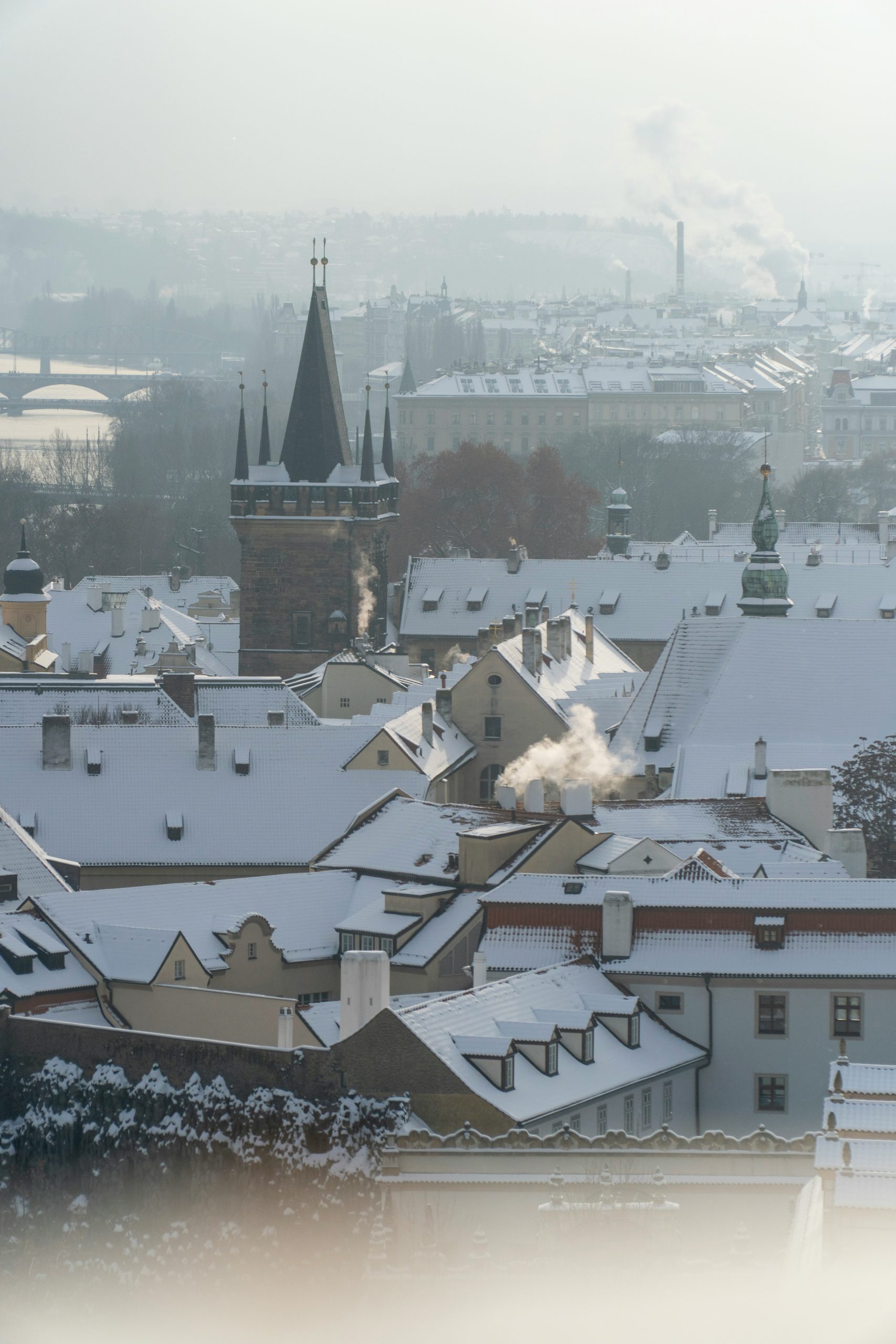
Photo by Dmitry Shamis
Prague’s Winter Traditions and Festivities
December also means the Christmas markets, but unlike many cities, Prague’s Old Town market still retains a touch of authenticity:
Locals also celebrate St. Nicholas Day on 6 December: angels, devils, and St. Nicholas walk the streets offering sweets to children — a charming Central European tradition
Related Posts