When the Year Begins: A Global History of New Year Celebrations
Few human ideas are as universal – and as variable – as the New Year. Every civilization needed a moment to say “this is the beginning”, yet the answer depended on the sky, the harvest, religion, power, and sometimes sheer political will. From Babylonian priests watching the stars to imperial decrees by emperors and tsars, the New Year has constantly moved through time.
This is the story of when, why, and how humanity decided the year should begin.
The First New Years: Ancient Civilizations
Babylon (c. 2000 BCE): The Year Begins with the Moon
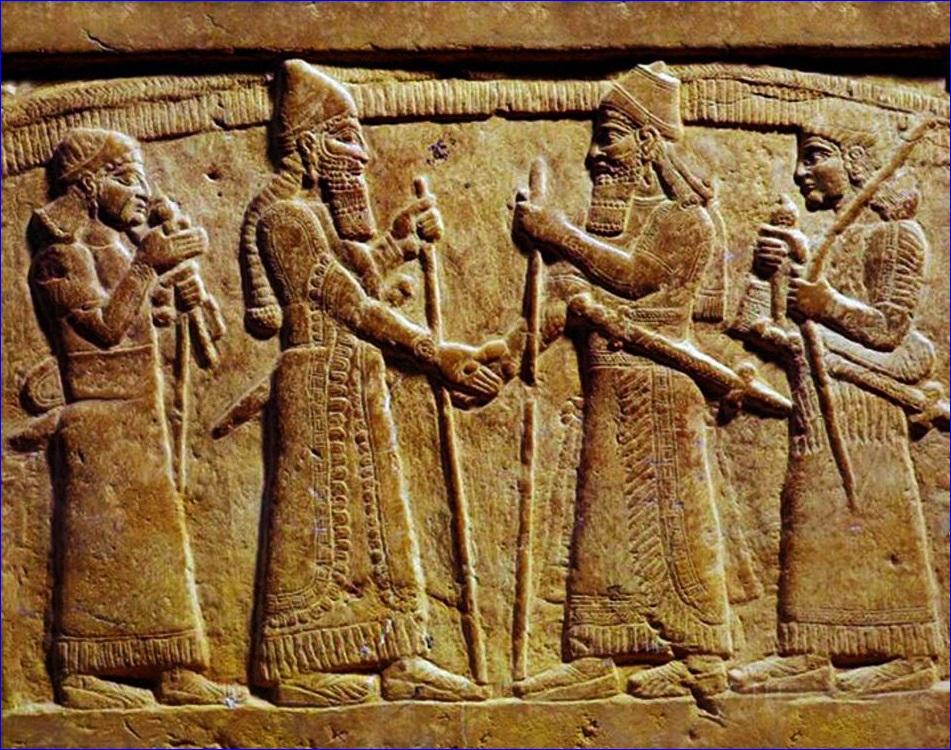
In Babylon, the New Year festival Akitu began in March, aligned with the first new moon after the spring equinox.
For Babylonians, time itself needed divine approval each year.
Ancient Egypt: When the Nile Rises
The Egyptian New Year began with the heliacal rising of Sirius, coinciding with the annual flooding of the Nile (late July).
This was one of the earliest solar-based calendars.
Ancient Greece: Many Cities, Many New Years
There was no single Greek New Year.
Time in Greece was local, civic, and sacred.
Rome: From March to January
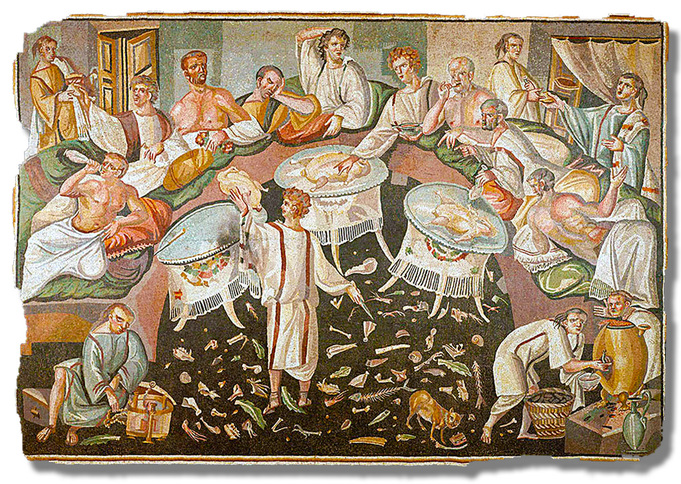
Early Romans celebrated New Year on March 1—a date still embedded in the names:
In 153 BCE, Rome officially moved New Year to January 1, honoring Janus, god of doors, thresholds, and beginnings.
Later, Julius Caesar’s calendar reform (46 BCE) fixed January 1 permanently.
India: Many Calendars, Many New Years
India never had one New Year, because it never had one civilization.
Common themes:
Examples:
Indian timekeeping blends cosmos, agriculture, and ritual purity.
China: Why January–February?
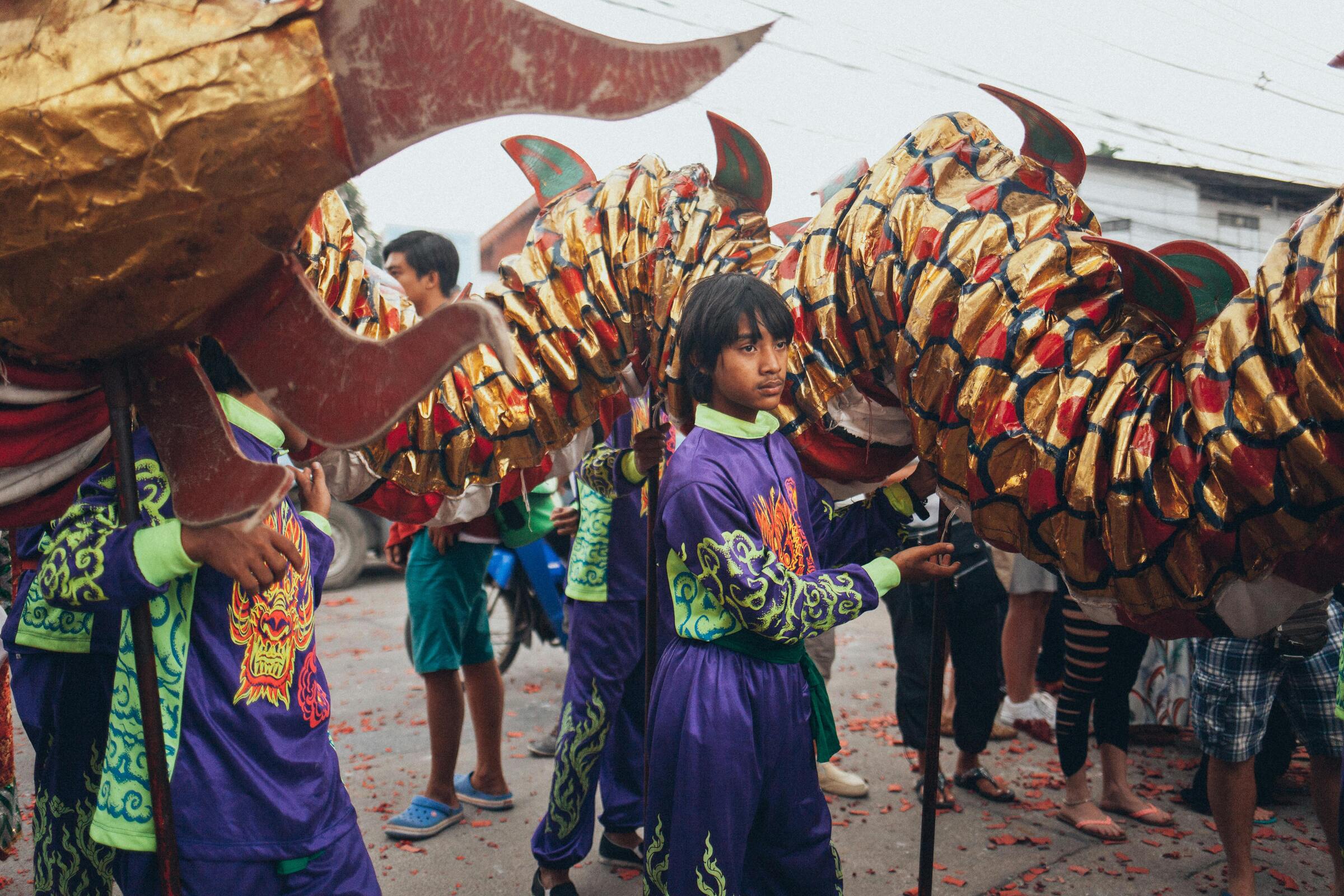
Photo by Elina Sazonova
Chinese New Year follows a lunisolar calendar:
Key elements:
It is less about the number on the calendar and more about renewing harmony.
Carthage & the Phoenician World
In Carthage, New Year likely followed Phoenician lunar traditions, connected to:
For maritime civilizations, time followed the sea and stars.
Russia: From September to January
Old Russia
Until the end of the 17th century:
Peter the Great’s Revolution
In 1699, Peter the Great decreed:
It was not just a calendar reform, it was a civilizational pivot toward Europe.
The Christmas Tree: From Pagan Ritual to Global Icon
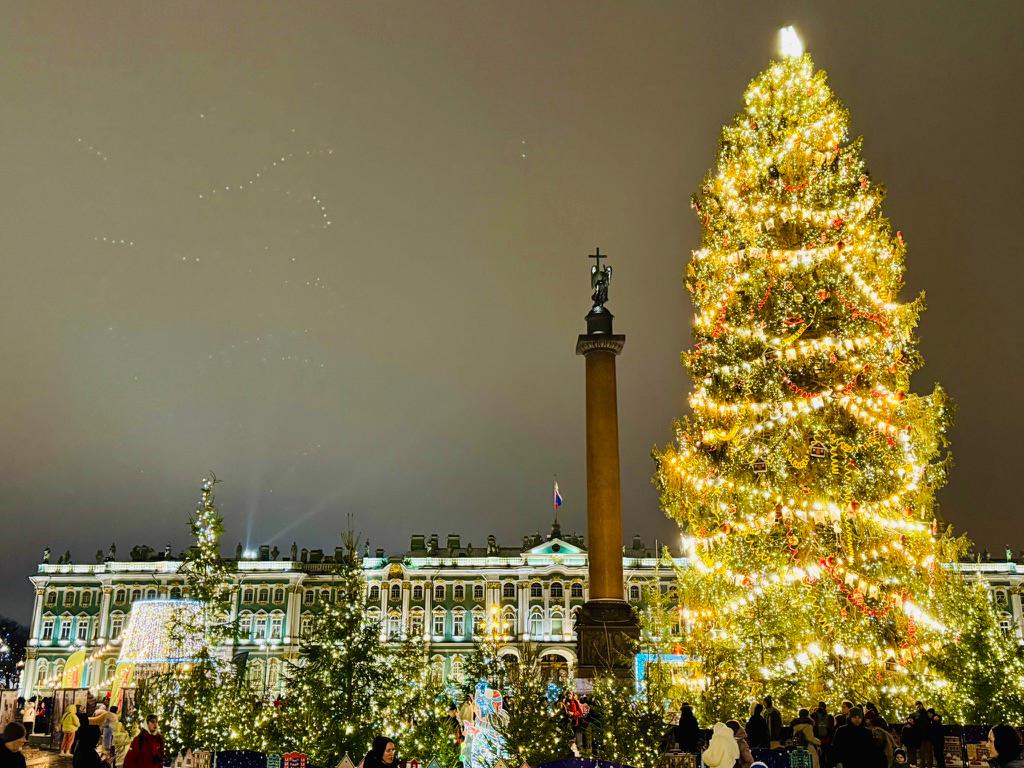
Origins
Christian Adoption
Russia
In the Soviet era, the tree was rebranded as a New Year tree (ёлка), religion removed, magic preserved.
Santa Claus: From Bishop to Myth
St. Nicholas
Transformation
Result:
A red-coated, secular, global figure – Santa Claus, detached from Christmas and embraced by New Year celebrations in many countries.
Why January 1 Won
Despite ancient diversity, January 1 triumphed because of:
Yet millions still celebrate other New Years, proving that time is cultural, not absolute.
A Thought to Close
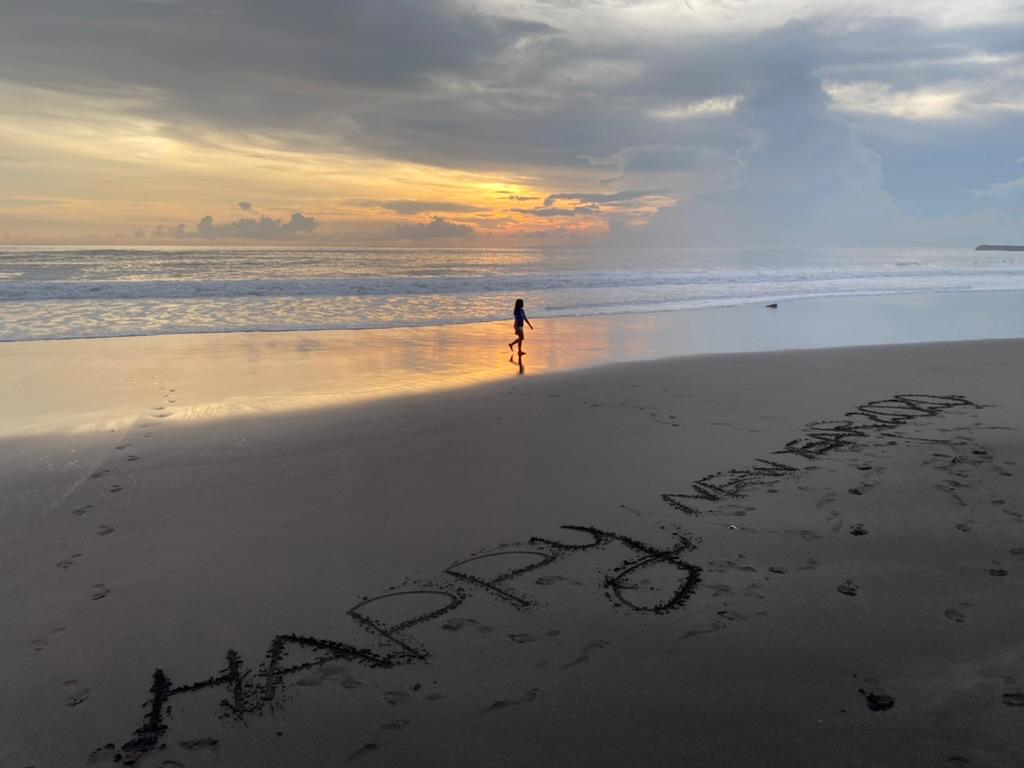
The New Year is not just a date – it is a promise.
Whether marked by:
Humanity has always needed a moment to say:
“The past is behind us. Let us begin again.”
Related Posts