Cultural Capital of February: Athens
Athens does not reveal itself at once. It does not try to please. It does not compete. It does not explain. In February, Athens becomes what it truly is: a city of questions. The summer version of Athens is loud, didactic, almost defensive, i.e. ruins under the sun, crowds moving along prescribed paths, history flattened into spectacle. February removes that layer. The air cools, the light softens, the city exhales. What remains is not antiquity, but continuity. This is when Athens should be read.
A city that never ended
Athens is often described as the place where everything began. This is flattering and false. Nothing here ever truly began, and nothing ever truly ended. Athens is not an origin; it is a process. The stones of the Acropolis were never meant to be ruins. They were scaffolding for ideas still unfinished: democracy, citizenship, public speech, responsibility. In winter light, marble loses its glare and turns almost human. These ideas feel less monumental and more fragile as if asking whether we have taken proper care of them. February strips Athens of rhetoric. What remains is a city that has survived being interpreted.
The Agora without witnesses
Walk through the Ancient Agora in February and you will notice something unsettling: there is space. Space between columns, between thoughts, between you and the past. Without the summer noise, the Agora briefly returns to its original function, that is a place for argument. Here, philosophy was never abstract. It was public, inconvenient, often dangerous. Ideas were tested outdoors, exposed to contradiction. February restores that vulnerability. Athens was never about answers. It was about permission to ask.
A short walk away lies Kerameikos, an ancient cemetery and potters’ quarter, quiet and profoundly moving in winter. Here, democracy’s intellectual ambitions meet mortality. Athens remembers not only its thinkers, but its citizens.
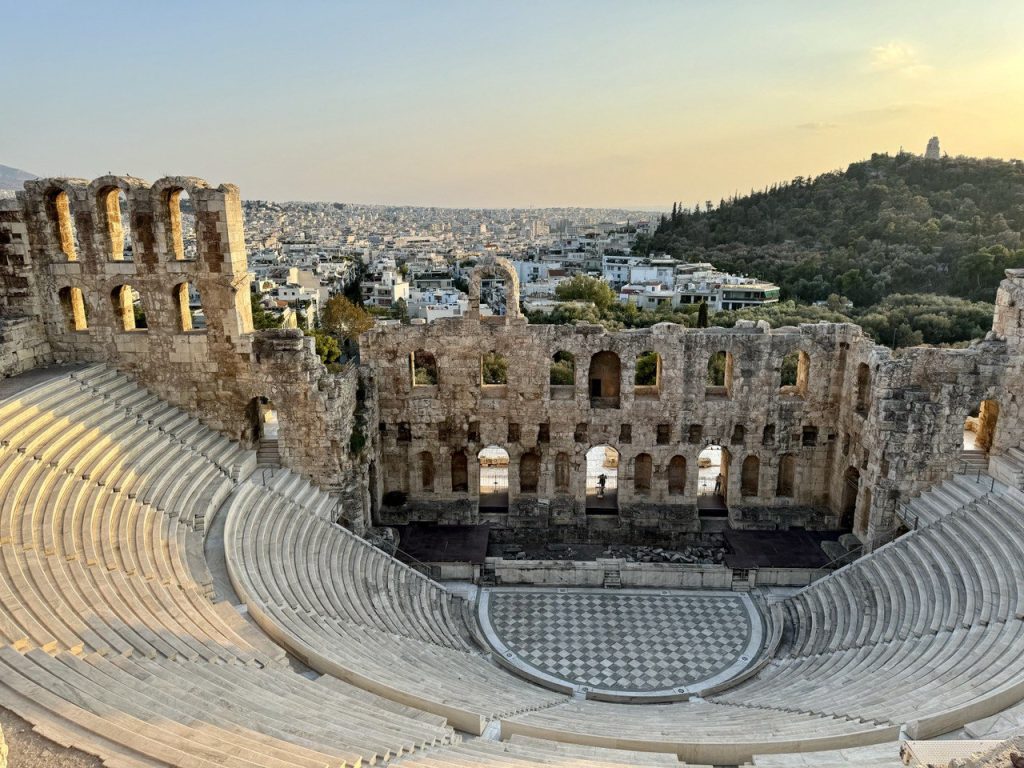
Museums as interiors of thought
Winter belongs to interiors. In February, museums in Athens stop feeling like collections and start functioning as essays.
The Benaki Museum – Pireos 138 is essential. Less ceremonial than its neoclassical counterpart, it addresses modern Greece directly: design, photography, architecture, social history. It explains how antiquity was inherited, misused, questioned, and sometimes resisted.
The Museum of Cycladic Art offers the opposite experience: silence, abstraction, timelessness. Cycladic figurines feel uncannily modern – proof that reduction, clarity, and restraint long predate modernism.
Often overlooked, the Byzantine and Christian Museum fills the crucial gap between classical and contemporary. Icons, manuscripts, fragments of devotion and power –Athens as a city that learned to survive by adapting its language of belief.
And finally, the almost ascetic Epigraphical Museum. Stones covered in laws, decrees, everyday decisions. Here democracy appears not heroic, but administrative, imperfect, human. Perhaps the most honest museum in the city.
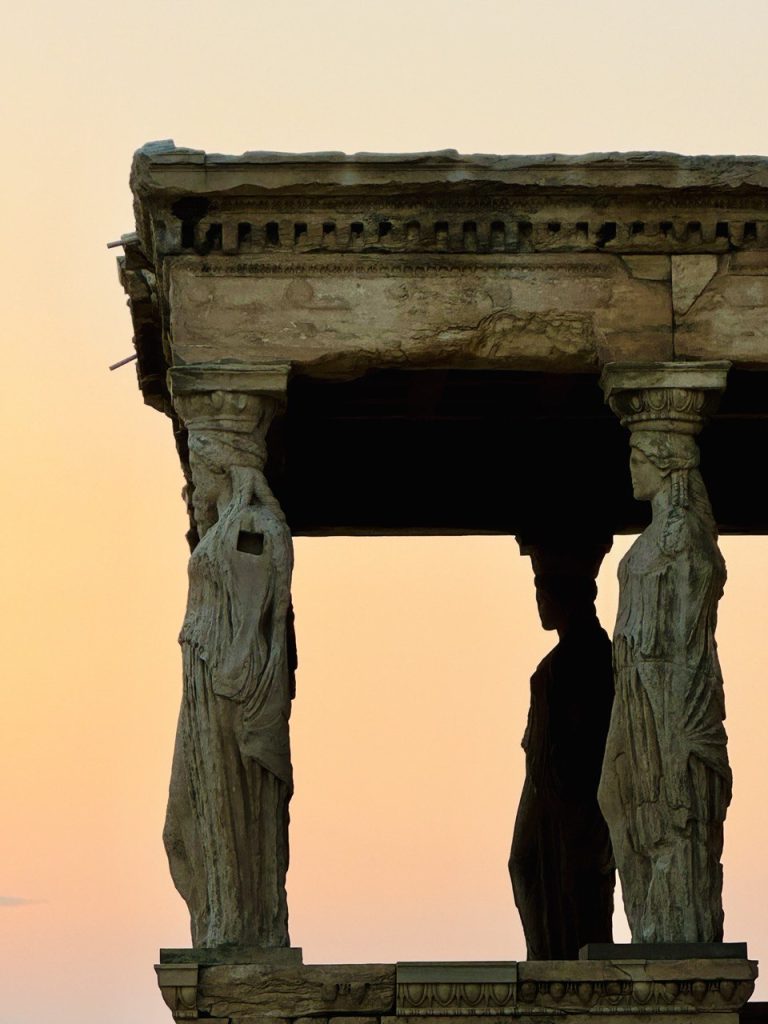
The city after antiquity
Athens refuses to remain ancient. Byzantine churches hide between apartment blocks. Ottoman traces persist quietly. Post-war modernism sits uneasily beside neoclassicism. The economic crisis left scars that are neither romantic nor resolved.
February allows these layers to coexist without hierarchy.
Walk through Anafiotika, a small Cycladic village improbably attached to the Acropolis. White walls, silence, domestic scale. Not a monument, but a footnote and a precious one.
Cross into Exarcheia, where political memory, dissent, and intellectual restlessness remain visible. Walls argue here. So do cafés and bookstores. This is Athens thinking aloud.
On Saturday morning, the Kallidromiou Street Market shows the city without performance: olives, vegetables, voices, repetition. Athens feeding itself.
Cafés and the tempo of thought
Athens thinks slowly. In February, cafés are shelters rather than stages.
At Philos Athens books and conversations share equal importance. This is where Athens feels most continuous with itself.
At Kafeneio To Pantopoleion time moves at its own pace, unpolished andunapologetic.
At Taf Coffee contemporary Athens asserts itself without irony: precise, global, confident.
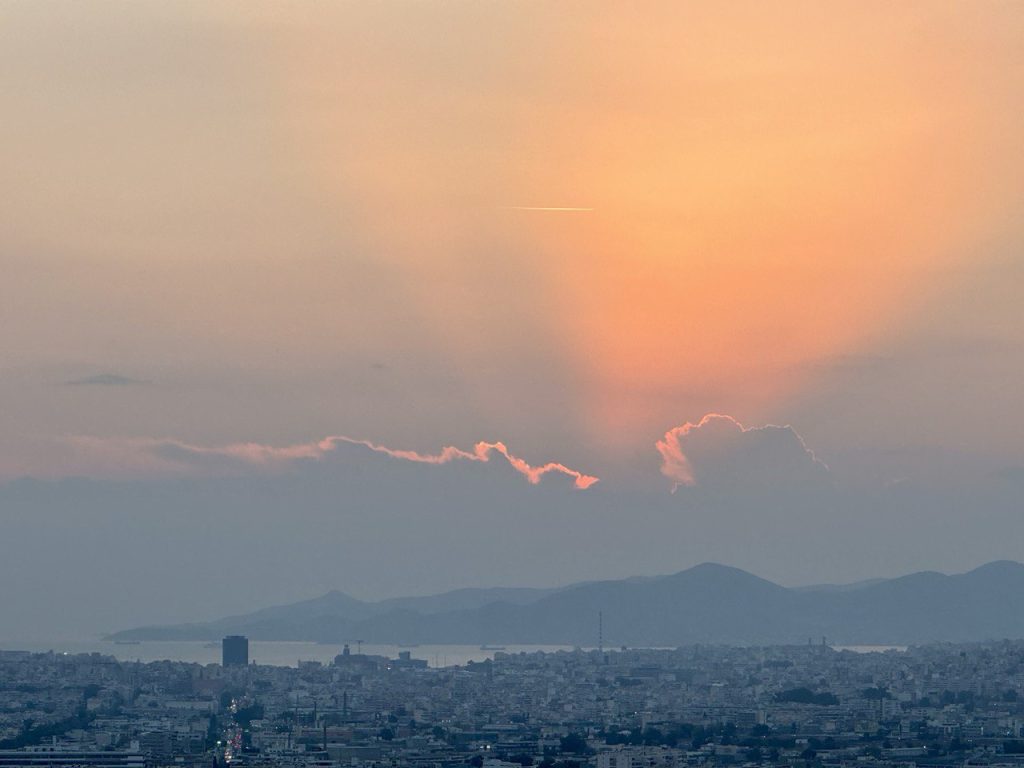
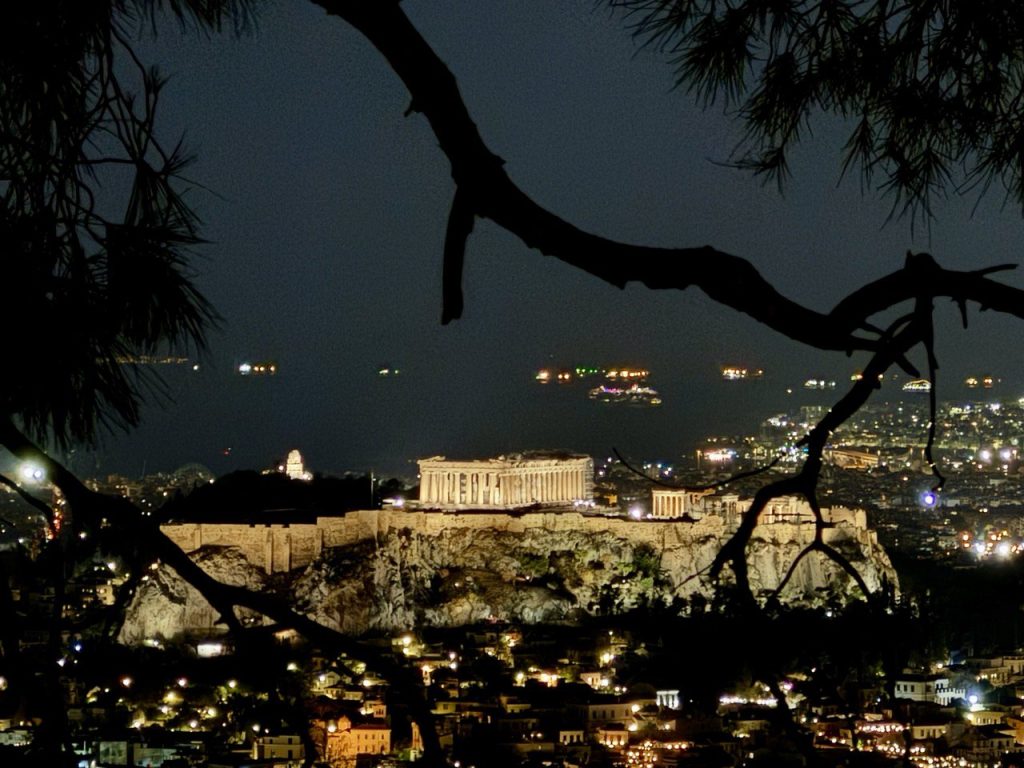
And in the late afternoon, the Galaxy Bar offers a final perspective. Not for spectacle, but for orientation, the city flattening into history, layers aligning briefly before dusk.
Why Athens belongs to February
February is not a month of conclusions. It is a month of positioning, between winter and spring, exhaustion and anticipation. Athens mirrors that state perfectly. It teaches restraint. It values endurance over triumph. It reminds us that culture is not a destination, but a responsibility passed on quietly, often without ceremony. Athens does not demand admiration, it demands attention, and in February, finally, we are quite enough to give it.
Related Posts