The World’s Most Enchanting Christmas Markets
ANNO Media,
Christmas markets are no longer just European winter rituals. They have grown into a global cultural phenomenon — a blend of medieval traditions, modern design, street gastronomy, and unforgettable winter aesthetics. From Gothic squares in Central Europe to night bazaars in Asia and sunlit Christmas fairs in Latin America, these markets reveal how every culture interprets the magic of the season.
Before we travel across continents, let us understand how this winter tradition began.
A Brief History of Christmas Markets: From Medieval Necessity to Global Spectacle
Christmas markets originated in Central Europe during the Late Middle Ages — long before they became the romantic postcard scenes we know today. Their evolution can be traced through several key stages:
- 13th–15th Century: Winter Markets for Survival
The earliest precursors were December markets held in German-speaking towns, where residents stocked up on essential goods for the harsh winter months. Food, warm clothes, tools, and candles were the core products.
These markets were practical rather than festive — a community’s preparation for winter scarcity.
One of the first recorded is Vienna’s “Dezembermarkt” in 1296, established by Duke Albrecht I.
- 15th–16th Century: The Birth of the Weihnachtsmarkt
As Christianity shaped European celebrations, winter markets gradually connected to the Advent season. This period saw the rise of the “Christkindl” markets — named after the Christ Child — particularly in:
– Dresden (1434) — today considered one of the world’s oldest, famous for its Stollen festival
– Strasbourg (1570) — the oldest documented French Christmas market, rooted in German tradition
– Nuremberg (early 1600s) — celebrated for its craftsmanship and the iconic “Christkind” ceremony
For the first time, markets became festive spaces: stalls selling toys, gingerbread, roasted nuts, candles, and wooden ornaments.
- 17th–19th Century: Craftsmanship, Guilds & Culinary Traditions
As European cities prospered, guilds found in Christmas markets an opportunity to display artisanal excellence:
– Carved wooden figurines from the Ore Mountains
– Hand-blown ornaments from Bohemia
– Tin toys from Nuremberg
– Embroidery and lace from Central Europe
This era also brought the arrival of mulled wine, spiced cookies, and festive music — turning markets into cultural experiences rather than mere trading hubs.
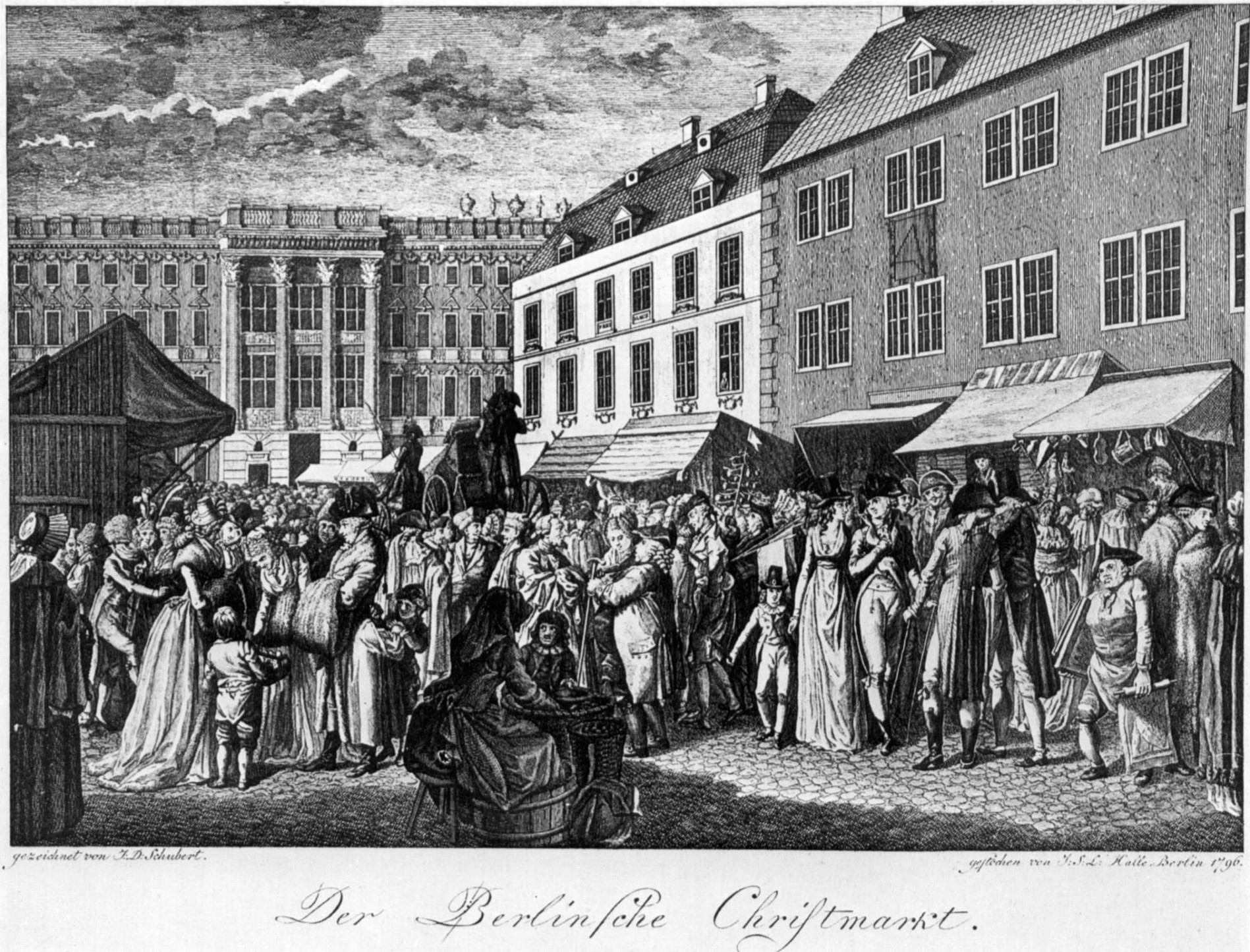
Engraving of the Christmas market at the City Palace in Berlin, Germany, 1796
- 20th Century: Reinvention After Hardship
Wars, economic crises, and political upheavals often halted the tradition. Yet after the 1950s, Christmas markets revived as a symbol of hope and cultural unity. Cities like Vienna, Munich, Basel, and Prague restored their medieval squares and rediscovered pre-war customs.
By the 1980s–2000s, Christmas markets had become a hallmark of European urban identity, attracting millions of visitors each year.
- 21st Century: A Global Tradition Without Borders
Today, Christmas markets have spread far beyond Europe:
– Tokyo, Singapore, and Seoul host German-inspired chalets
– Dubai builds entire winter villages under palm trees
– New York transformed festive markets into designer pop-up villages
– Latin American cities added colour, music, and indigenous crafts
The modern Christmas market is a fusion of cultures: medieval heritage, cinematic atmosphere, gastronomy, design, and local traditions.
A Global Selection of the Most Beautiful, Interesting & Unusual Markets
- Prague, Czech Republic — The Fairytale Capital of Advent
Few cities transform for Advent as gracefully as Prague. The Gothic towers of Old Town Square glow above wooden chalets selling trdelník, mulled wine, hand-blown glass ornaments, and Bohemian crystal.
What makes Prague unique:
– A single giant Christmas tree chosen from Czech forests, lit every hour with a musical light show
– Czech Nativity traditions and folk performances
– The setting: a 14th-century square that looks like a living Christmas illustration
It is the perfect blend of history, architecture, and warmth — a natural choice for December’s Cultural Capital.
2. Vienna, Austria — Europe’s Most Elegant Christmas
Vienna practically invented the modern Christmas market aesthetic.
Must-visits:
– Christkindlmarkt at Rathausplatz — large, atmospheric, full of lights
– Schönbrunn Palace Market — classical music, imperial façades, refined craftsmanship
– Belvedere Market — shimmering on the palace lake
Elegant, musical, imperial — Vienna feels like Christmas composed by Mozart.
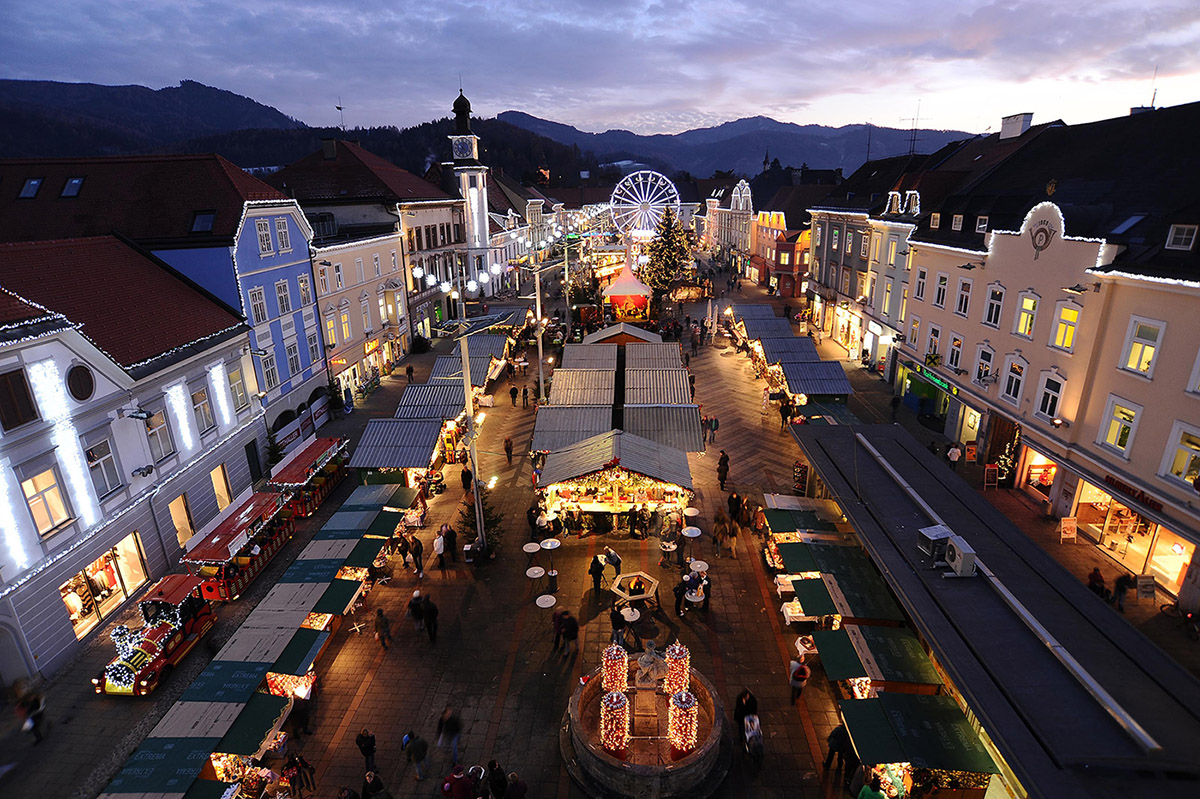
Advent and Christmas market in Austria
3. Strasbourg, France — The “Capital of Christmas”
Strasbourg’s Christkindelsmärik dates back to 1570 — the oldest in France.
Highlights:
– One of Europe’s tallest Christmas trees at Place Kléber
– Wooden Alsatian houses wrapped in decorations
– The blend of French and German traditions
An entire city center turned into a glowing winter village
4. Basel, Switzerland — Refined and Artistic
Basel hosts Switzerland’s most beautiful Christmas markets, stretching along medieval squares and illuminated streets. Its artistic identity infuses everything — from locally made crafts to design-forward stalls curated by Swiss artisans.
5. Copenhagen, Denmark — Nordic Magic at Tivoli Gardens
The Danes understand hygge better than anyone. At Christmas:
Tivoli Gardens becomes a Nordic fairyland
– Wooden cabins, reindeer, and snow-dusted lanterns line the paths
– Fire pits warm visitors
– Scandinavian design meets cozy tradition
It’s the world’s most “cinematic” Christmas experience.
6. Tallinn, Estonia — Medieval Winter Charm
One of Europe’s most photogenic markets sits inside a UNESCO-listed medieval town.
Why Tallinn is special:
– Gothic town hall as a perfect backdrop
– Snow almost guaranteed
– A Christmas tree tradition dating to 1441 — among the world’s oldest
– Small, intimate, and wonderfully atmospheric
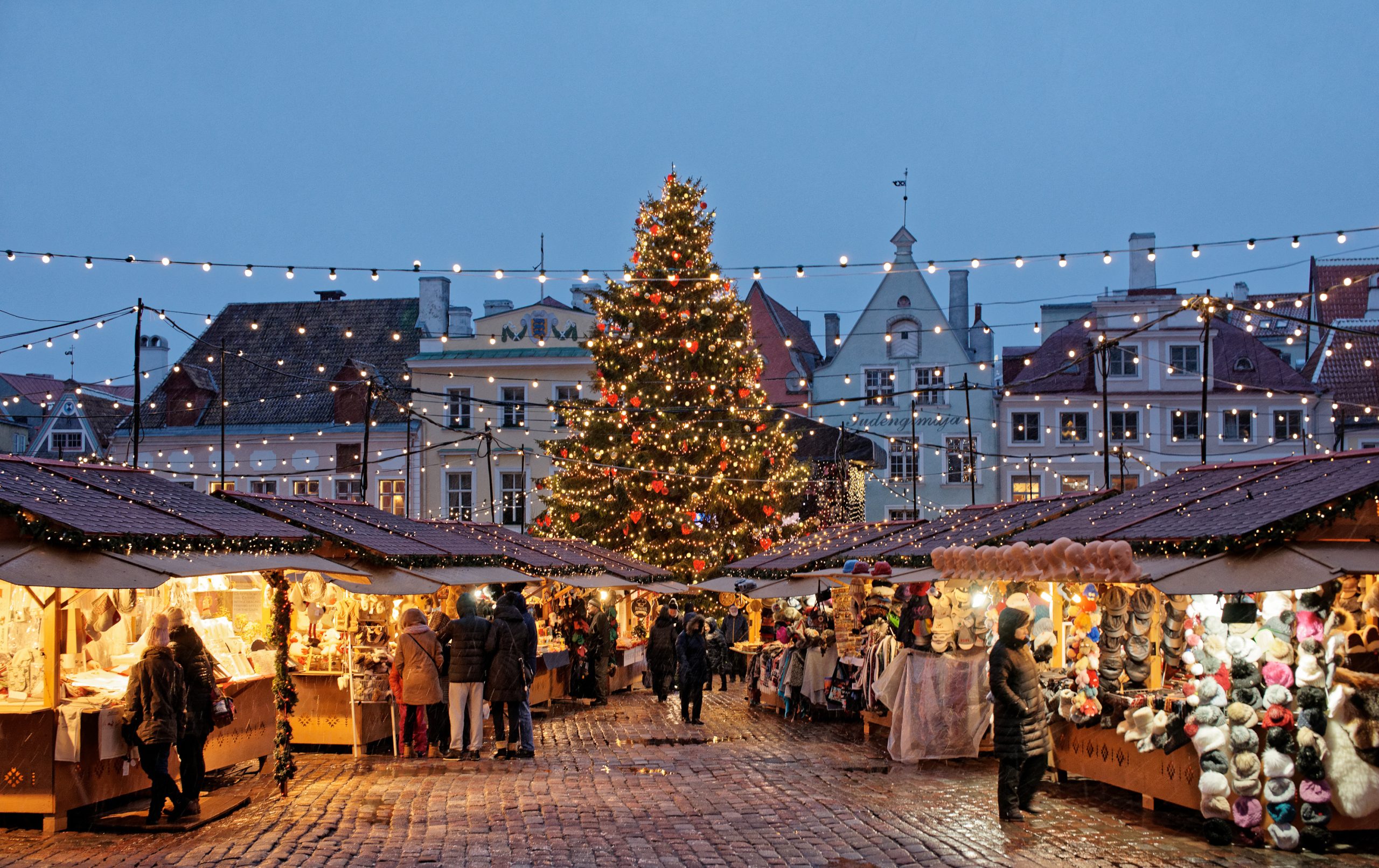
Tallinna Jõuluturg in Tallinn, Estonia by Guillaume Speurt
7. Tokyo, Japan — A Surprising Christmas Wonderland
Japan does not celebrate Christmas traditionally, yet Tokyo creates some of the most spectacular winter markets and illuminations:
– Hibiya German Christmas Market complete with real German chalets
– Roppongi, Shinjuku, and Shibuya illuminated like futuristic constellations
– Japanese aesthetic minimalism meets European festive themes
It’s one of the most unexpected Christmas experiences globally.
8. New York City, USA — Iconic & Unmistakably Urban
New York doesn’t follow tradition — it reinvents it.
Top spots:
– Bryant Park Winter Village — ice rink + 100 design booths
– Union Square Market — handmade gifts from NYC creators
– Rockefeller Center — the world’s most famous Christmas tree
It’s the Christmas of movies, postcards, and childhood dreams.
9. Mexico City, Mexico — A Latin American Christmas of Light
Bright, colorful, joyful — Mexican Christmas markets overflow with:
– Artisanal crafts
– Piñatas
– Street food like tamales, buñuelos, hot chocolate
-Las Posadas performances
A warm and spirited alternative to Europe’s winter chill.
10. Dubai, UAE — The Desert’s Winter Fantasy
Dubai has mastered global culture reinterpretation:
– Madinat Jumeirah Festive Market with views of the Burj Al Arab
– Artificial snow parks and outdoor ice rinks
– International food and luxury gifting stalls
A uniquely cosmopolitan Christmas under the sun.
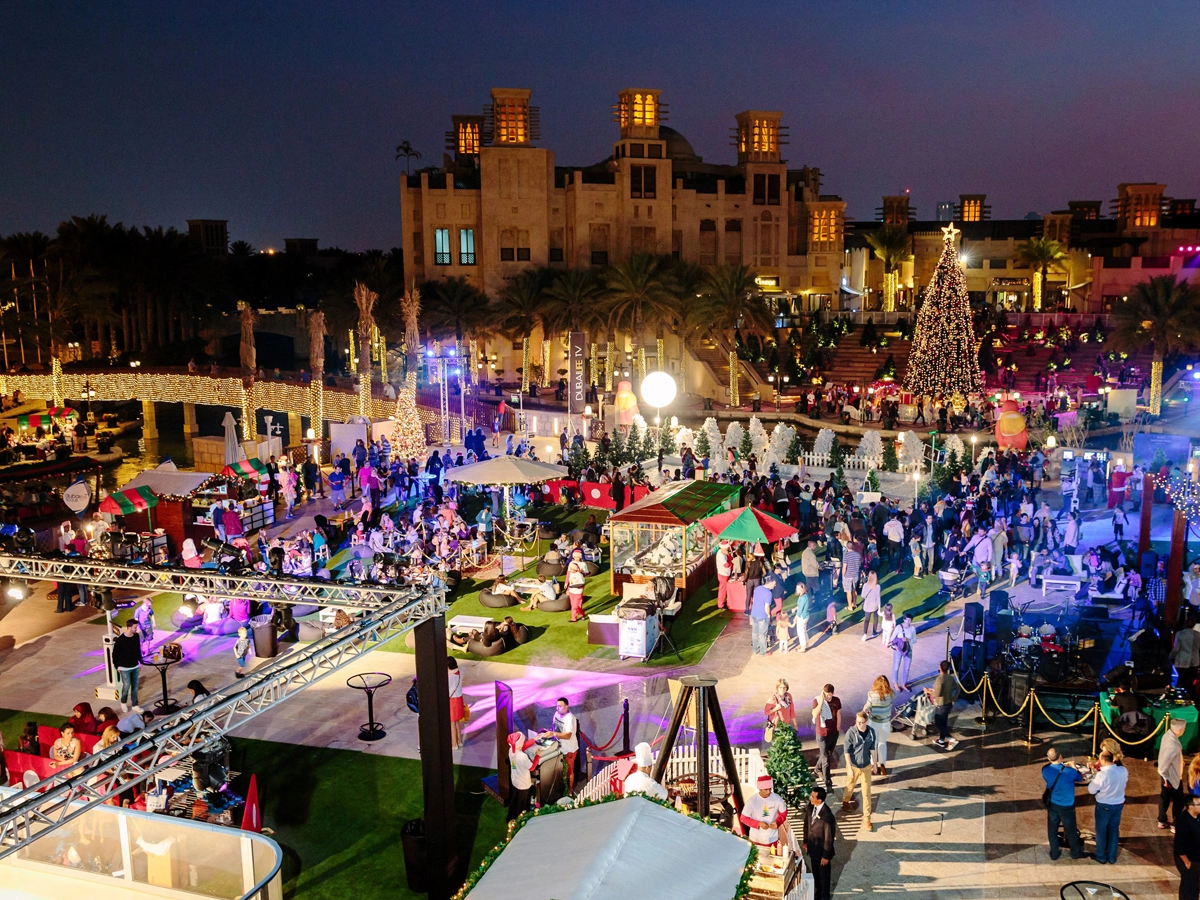
11. Singapore — Christmas by the Equator
Singapore’s Christmas Wonderland merges Italian light sculptures, tropical gardens, and international gastronomy — a surreal fusion that only this city can create.
12. Madeira, Portugal — The Atlantic Christmas Festival
The island of eternal spring hosts an open-air Christmas market with flowers, wine tastings, folklore dancing, and its legendary New Year’s fireworks, once the largest in the world.
The Most Unusual Christmas Markets in the World
1. Rovaniemi, Finland — Santa Claus Village on the Arctic Circle
Reindeers, snow, and Northern Lights — the world’s only Christmas market located at Santa’s official home.
2. Kraków, Poland — Market in a UNESCO-listed Medieval Square
A mix of Gothic drama, folk traditions, and melancholic winter charm.
3. Vancouver, Canada — German Market with Pacific Northwest Vibe
European style, Canadian scale, ocean air — a surprising cultural hybrid.
4. Bethlehem, Palestine — Christmas Market Near the Nativity Church
A deeply symbolic setting, blending spiritual tradition and local celebrations.
Conclusion: A Season of Light Without Borders
Christmas markets reveal something universal: every culture seeks light, beauty, community, and warmth — even in the coldest months.
From the medieval streets of Europe to the futuristic skylines of Asia and the beaches of the Arabian Gulf, these markets prove that Christmas is both a tradition and a canvas — one that each culture paints in its own colours.
Related Posts